Gospel-Hump Wilderness
A 200 thousand acre wilderness straddling the Clearwater and Salmon River divide. The Gospel-Hump is often overlooked, but a haven for wildlife.
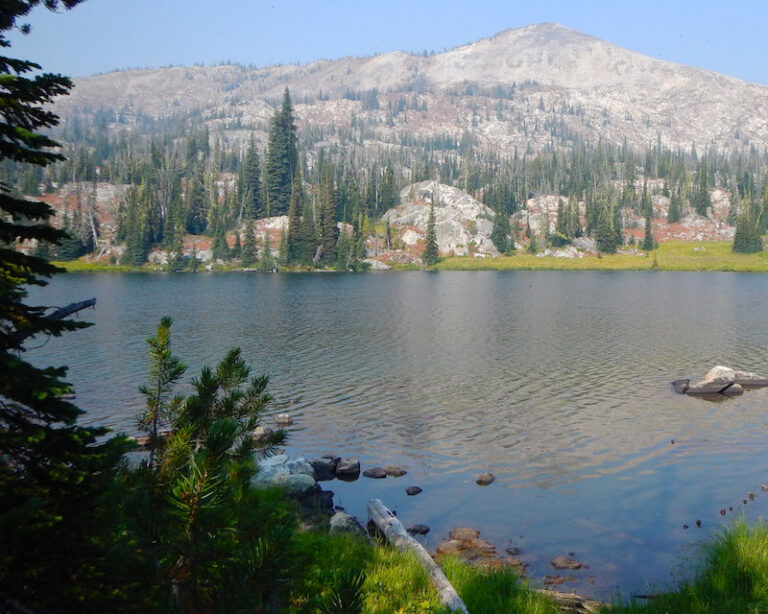
Glacial lakes in the Selway-Bitterroot Wilderness. Haverstick Photo.
“A wilderness, in contrast with those areas where man and his own works dominate the landscape, is hereby recognized as an area where the earth and its community of life are untrammeled by man, where man himself is a visitor who does not remain.”
– Howard Zahniser
The above quote comes from the Wilderness Act of 1964, which created the National Wilderness Preservation System, created a legal framework for wilderness protection, and set an ethical vision of wilderness management that has inspired conservation movements for 60 years.
Wilderness has a deep meaning: it is a philosophical concept as well as a land management directive. At the core of wilderness is the idea of self-willed land. Federally-protected wildernesses are free to develop as they have in perpetuity, free from mechanized and motorized technology and industrial development.
Consider the word “untrammeled” from Zahniser’s quote. Often mistaken for “trampled”, a trammel is a device to limit the motion of horses legs, a way to force them to walk the way their trainer sees fit.
In the protected wildernesses of Idaho, many natural processes continue much as they have for millions of years, like:
Wildfire
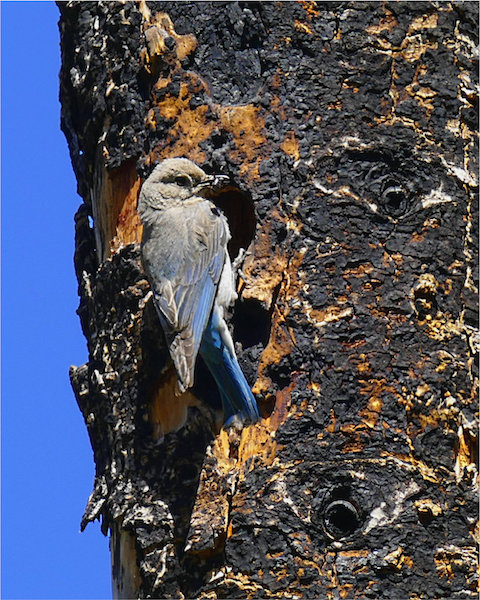
Including landscape-scale fires, which create ideal forage for elk, nesting cavities for birds, and complexity in streams for fish.
Predator-Prey Relationships
Like between lynx and snowshoe hare, which is cyclical and sensitive to human impacts.
Wildlife Migrations
Like chinook salmon that travel up the un-dammed Selway to gravelly natal streams.
Forest Succession
Including the development of brush fields into young forests, young forests into old-growth, old-growth into snag forests, and combinations in between.
Wildlife-induced Habitat Modification
Like beavers creating ponds or insects altering forest composition.
Three federally-protected wildernesses have acreage in the Clearwater Basin, the Frank Church-River of No Return, the Gospel-Hump, and the Selway-Bitterroot.
Together, this block of wild country is the largest in America outside of Alaska, creating an enormous roadless area some call the Big Wild or the Great Idaho Wildlands.

A 200 thousand acre wilderness straddling the Clearwater and Salmon River divide. The Gospel-Hump is often overlooked, but a haven for wildlife.

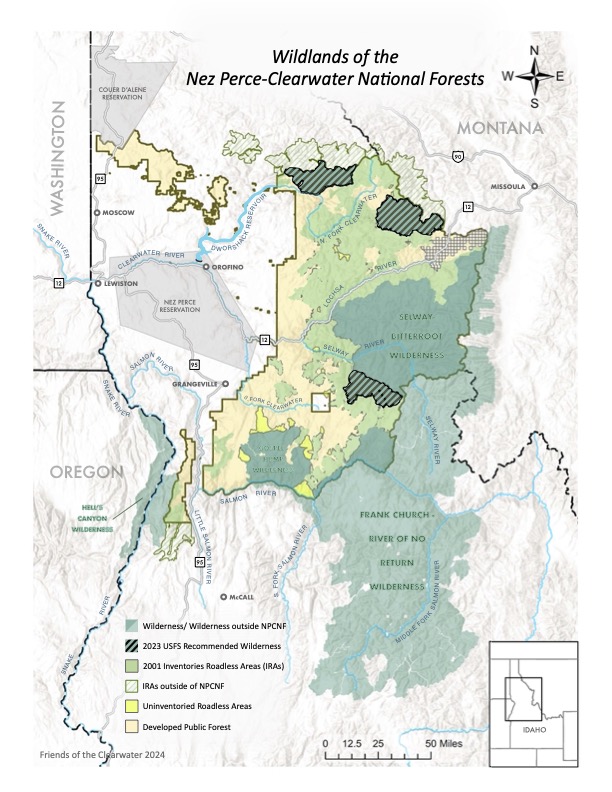
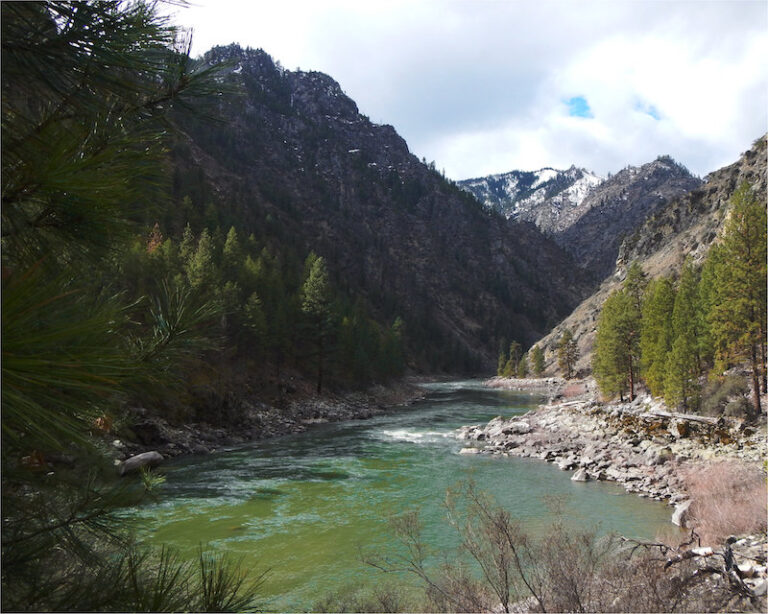
The Frank Church-River of No Return Wilderness is the largest contiguous wilderness in America, a rugged landscape of epic peaks, roaring rivers, and unbeatable solitude.

The Selway-Bitterroot Wilderness, at 1.3 million acres, is a sprawling and diverse landscape. Its centerpiece, the wild Selway River, is one of the first Wild and Scenic Rivers protected in America.